
The Cold Wind
When the Dispersal Phase of Manhood Feels Like Exile
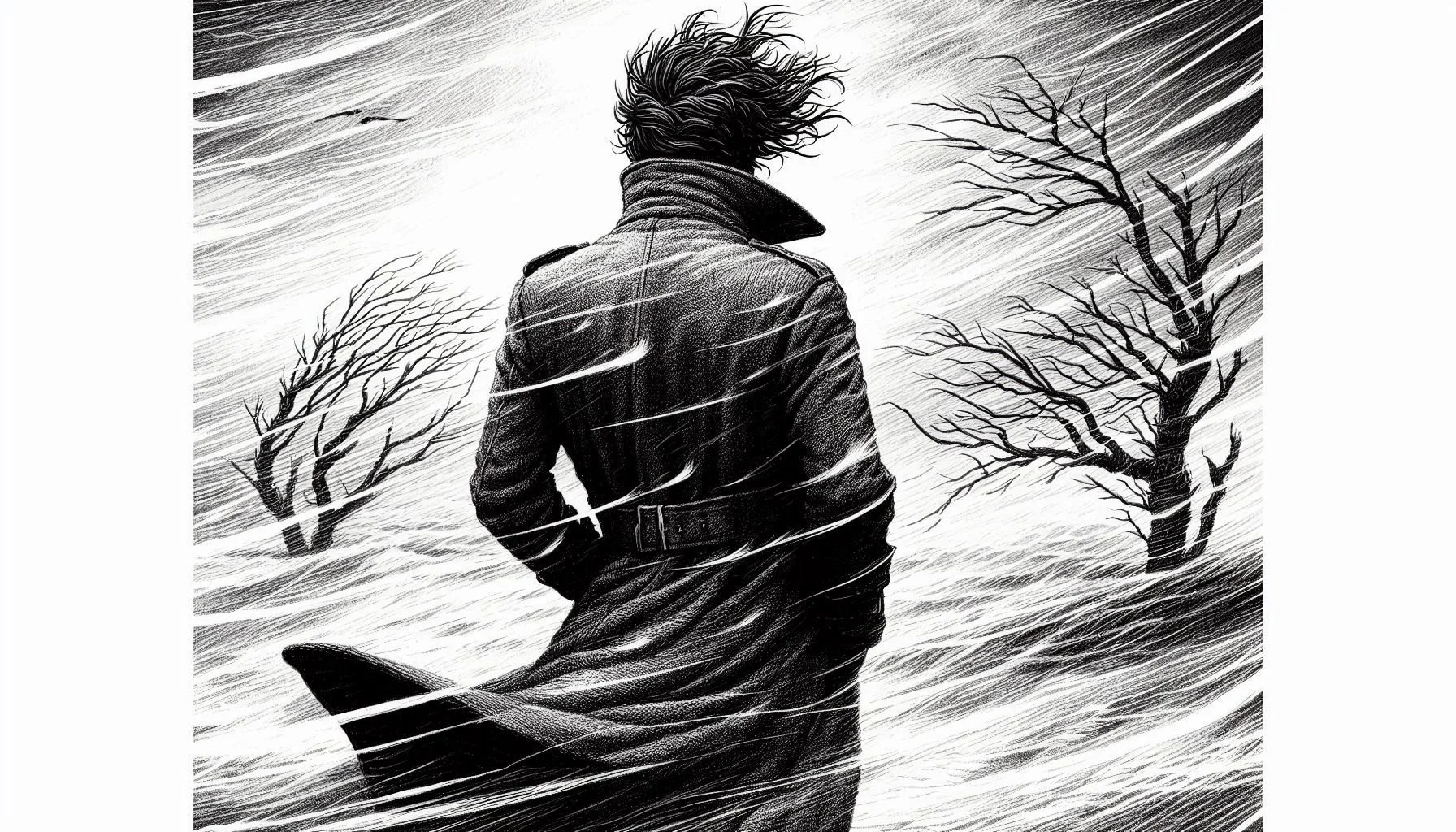
There’s a season many men pass through without ever having language for it.
It often shows up as loneliness, restlessness, or a vague sense that something is missing—despite external success. Career is moving. Family life is active. Responsibilities are being handled. And yet, beneath it all, there’s a quiet chill that never quite goes away.
Through my work in men’s relationship and fatherhood coaching in Bend, Oregon, I’ve come to recognize this season clearly. It’s characterize by a sobering moment I call The Cold Wind—a man’s signal that he’s entered what should have been temporary phase of development. If the Wind has been biting you for a long time now, it probably means you’re stuck in this phase (and I’ve got good news for you—keep reading).
The Dispersal Phase: A Necessary—but Temporary—Season
In nature, many social mammals go through a dispersal phase. Wolves, for example, leave their birth pack to establish their own territory, form bonds, and eventually create or join a new pack.
This phase is:
Necessary
Challenging (hence the Cold Wind)
Meant to be temporary
For human men, the dispersal phase often looks like:
Leaving home
Building a career
Becoming a husband or father
Taking on real responsibility
It’s the season where self-reliance is forged.
The problem isn’t dispersal itself.
The problem is getting stuck there.
When Dispersal Turns Into Exile
Many men unconsciously interpret the dispersal phase as a permanent condition rather than a transition.
Instead of asking:
“What am I building toward?”
They absorb messages like:
“No one is coming to save you.”
“Handle it yourself.”
“Don’t need anyone.”
“Family is all that matters now.”
Over time, this creates an exiled identity, and not a sovereign one.
Exile feels like:
Carrying everything alone
No meaningful brotherhood outside the nuclear family
Emotional isolation masked as strength
Leadership without reinforcement
The Cold Wind sets in when a man mistakes isolation for maturity.
Why Motivation Alone Doesn’t Fix It
A lot of modern men’s advice unintentionally deepens the problem.
Phrases like “man up,” “push through,” or “it’s all on you” can be useful only if a man is embedded in community and purpose.
Without that context, they don’t build strength—they increase pressure without support.
In leadership coaching, this often shows up as:
Burnout in high-performing men
Emotional shutdown in fathers
Quiet resentment or numbness
A sense of leading without being led
This isn’t weakness. It’s a misread developmental phase.
The Missing Return: From Dispersal to Kingdom
In healthy cultures, dispersal is followed by return—not back to childhood, but into belonging with responsibility.
Historically, men returned into:
Brotherhood
Guilds
Councils
Villages
Shared mission
Today, many men return only to:
Work
Marriage
Parenthood
All important—but incomplete.
This is why so many capable men in places like Bend, Oregon—a city full of driven, thoughtful, high-performing people—still report feeling alone.
They’ve built lives.
They just haven’t rebuilt tribe.
Reframing the Cold Wind
The Cold Wind is not exposing a flaw in you.
It’s just a signal.
It’s the nervous system and psyche saying:
“Learn from this phase, but do not stay here.”
When reframed properly, the Cold Wind becomes an invitation:
To reconnect with other men at a deeper level
To move from survival-based independence to conscious leadership
To shift from exile into stewardship of your Inner Kingdom
This is where men’s coaching becomes transformative—not by adding tactics or dogma, but by restoring context and cultivating individual sovereignty.
Leadership Requires a Field, Not Just Willpower
True leadership doesn’t emerge in isolation.
It emerges when:
A man is grounded internally
Aligned with his values
Supported by peers who can challenge and reflect back to him
In coaching containers I facilitate in Bend, the work often begins by simply naming the dispersal phase for what it is.
When men realize:
“I’m not broken—I’ve just stalled in one phase among more to come,”
Something relaxes. The Cold Wind loses its sting.
You’re Not Meant to Stay Out There Forever
If any of this resonates, here’s the truth worth sitting with:
You were never meant to live your entire adult life braced against the cold.
Dispersal was meant to forge you—not isolate you.
Strength was meant to be shared—not carried alone.
Leadership was meant to be embodied within community, not exile.
If you’re a man in Bend, Oregon feeling capable yet disconnected, strong yet unsupported, successful yet restless—the Cold Wind may simply be reminding you that it’s time to return.
Not backward.
But forward—into belonging, responsibility, and grounded leadership.
